This webinar, hosted by Edward Craig from People Management and Canola Plus, covers smarter hiring to avoid bad hires. Dr. Jo Kandola, a workplace bias expert, leads the discussion. The session includes live polls and audience Q&A.
This webinar explores the impact of poor hiring decisions and how to prevent them. The session lasts 25-30 minutes and includes a Q&A at the end for audience participation.
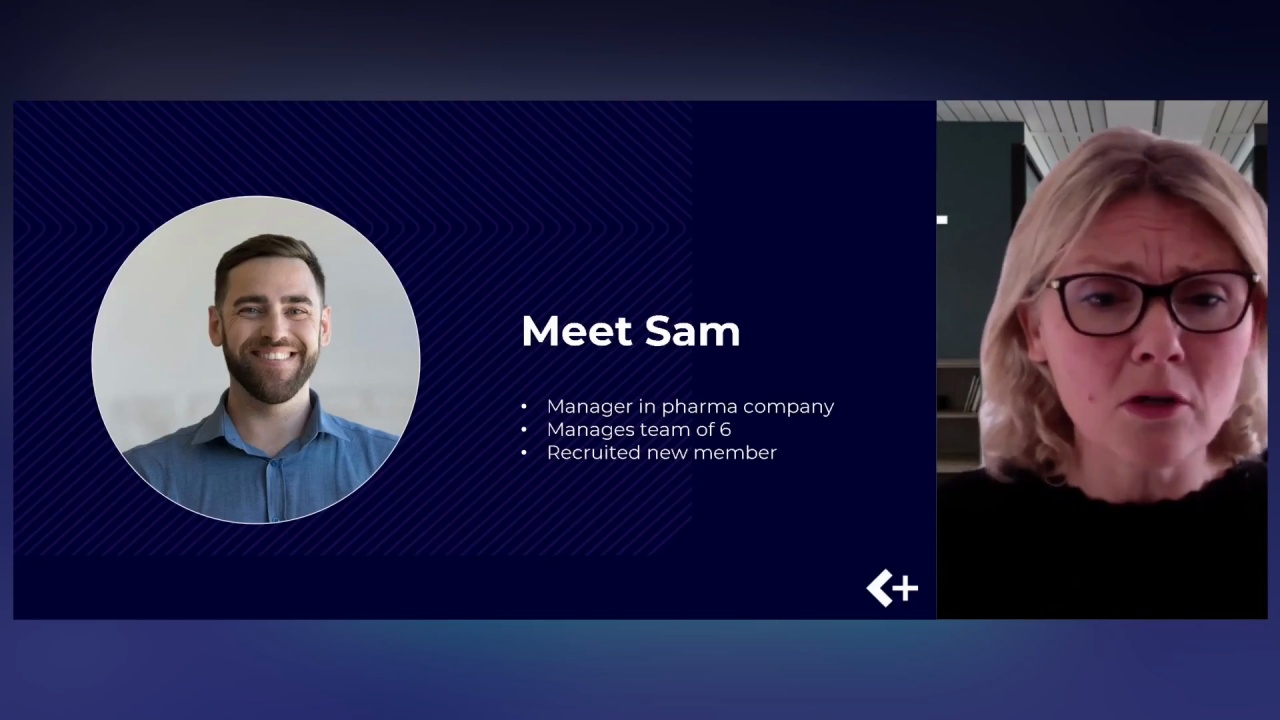
Consider this scenario: Sam, a manager who made a hiring decision based on intuition rather than structured assessment. The new hire struggled to meet objectives, causing project delays and increasing Sam’s workload. The situation escalated, leading to stress-related absence and team disruption. The webinar will explore why this happened and how to prevent similar mistakes.
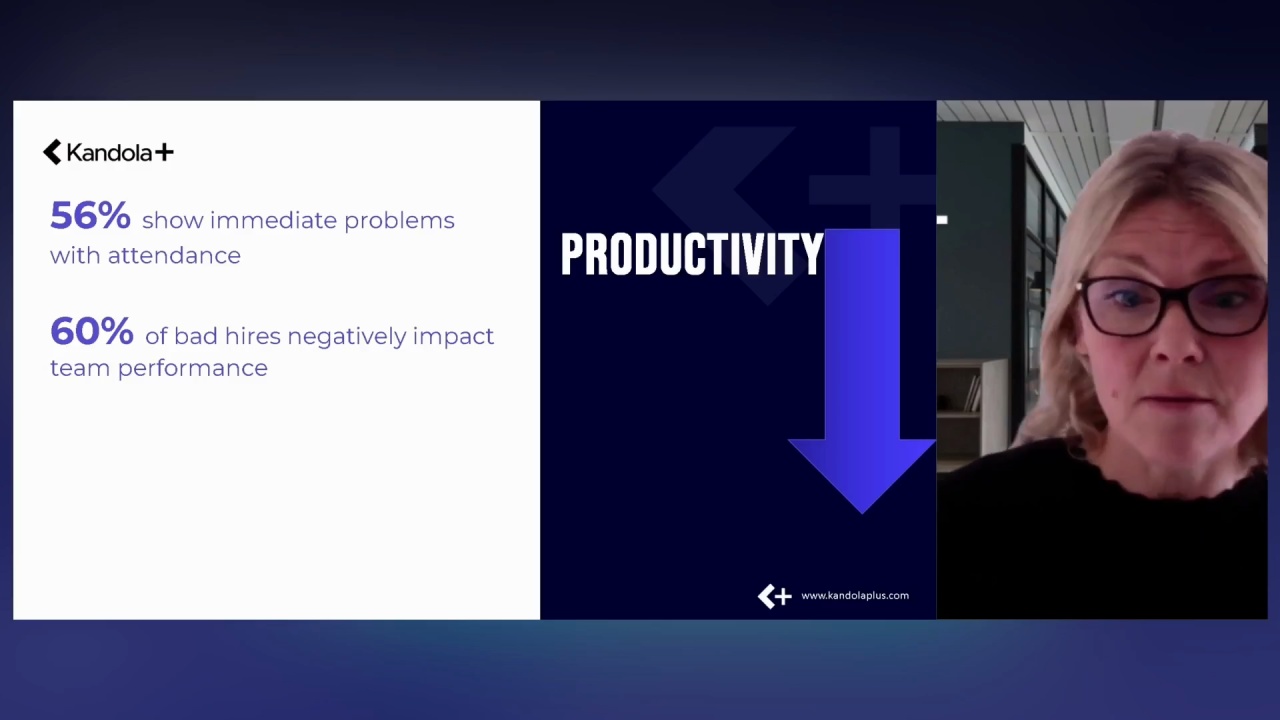
Poor hiring decisions are common, with two-thirds of hires being ineffective or failures. This leads to high turnover, reduced productivity, and financial losses. Research shows even small improvements in hiring accuracy can significantly boost performance and revenue.
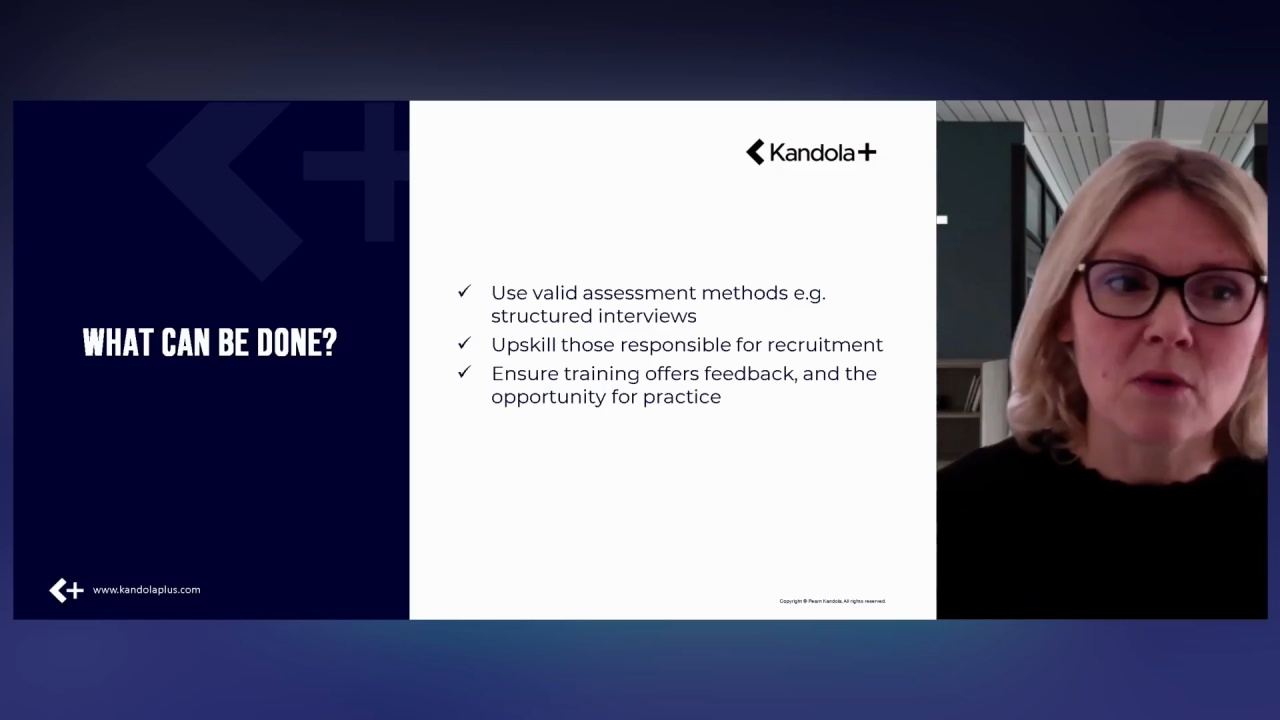
Effective hiring requires structured interviews and skilled recruiters. Unstructured interviews increase bias and poor decisions, while structured methods improve job performance predictions. Good recruiters are objective, organized, and analytical. Training with feedback and practice is essential for improving hiring accuracy.
To avoid bad hires, companies must use structured interviews, train recruiters properly, and provide feedback and practice opportunities. Investing in hiring skills reduces performance issues and strengthens business success.
Retail has naturally high turnover due to its transient workforce. Even with structured hiring, poor execution, unclear job criteria, and restrictive job descriptions can lead to hiring mismatches. Reviewing industry benchmarks, recruiter training, and job ads can help improve retention.
Training should be provided just before hiring decisions to ensure skills are fresh. Digital, interactive, and on-demand training is ideal. Regular refreshers, guides, and skill reassessments help maintain effectiveness without unnecessary repetition.
Structured hiring alone isn’t enough—onboarding and workplace culture play key roles in retention. If new employees feel unwelcome or unsupported, they are more likely to leave. Reviewing employee feedback and demographics can help identify and address underlying issues.
Psychometric tests can be valuable but must be used carefully. Some, like situational judgment tests, are effective and fair, while others may introduce bias. Personality tests should guide discussions, not determine hiring. Checking for adverse impact helps prevent discrimination.
Keeping detailed interview notes is crucial for defending against discrimination claims. Notes should be retained for at least two years to provide evidence of fair and objective hiring decisions.
Resilience should be clearly defined in behavioral terms for assessment. However, external factors like workplace culture and past experiences affect resilience. Organisations should not only assess but also foster resilience through support and development programs.
Use structured interviews with behavioral questions like “Can you give an example of a time when…?” This approach focuses on past experiences rather than surface-level responses, reducing bias and improving hiring accuracy.
Emphasize personal pain points—poor hires lead to wasted time and added stress. Highlight how short training sessions can prevent these issues. For stakeholders, focus on financial costs and business impact to secure investment.
Structured interviews are valuable, but questions must align with the role. If they are too rigid and generic, they may miss candidates with strong potential. Assessing traits like curiosity and openness to learning can help identify future high performers.
In talent-scarce fields like STEM, focus on attraction strategies. Ensure job descriptions are inclusive and appealing, remove deterring language, and explore creative outreach methods beyond traditional job boards to reach a wider talent pool.
Avoid gut feelings and challenge assumptions. Hiring decisions should be objective, organized, and analytical. Educating recruiters on bias and using structured processes help minimize its impact.
Since job descriptions outline key skills, candidates should expect related questions. Providing them in advance likely won’t impact fairness, as structured interviews focus on past experiences rather than rehearsed answers.
Recruitment requires skill, time, and effort. Specialist recruiters bring expertise to the hiring process, reducing mistakes and improving outcomes. Their role is often undervalued, despite its significant impact on business success.
Confirm cancellation
Something went wrong.
An error occurred trying to play the stream. Please reload the page and try again.


 play_arrow
 play_arrow
 play_arrow
 play_arrow
 play_arrow
 play_arrow
 play_arrow
 play_arrow
 play_arrow
 play_arrow
 play_arrow
 play_arrow
 play_arrow
 play_arrow
 play_arrow
 play_arrow
 play_arrow